{
“@context”: “https://schema.org”,
“@type”: “Article”,
“headline”: “Investing in Mid Century Wood Chairs for Modern Desert Homes”,
“datePublished”: “”,
“author”: {
“@type”: “Person”,
“name”: “”
}
}{
“@context”: “https://schema.org”,
“@type”: “FAQPage”,
“mainEntity”: [
{
“@type”: “Question”,
“name”: “How can I identify authentic mid century wood chairs from modern reproductions?”,
“acceptedAnswer”: {
“@type”: “Answer”,
“text”: “Authentic mid century wood chairs typically feature specific indicators of age and craftsmanship, such as manufacturer stamps from companies like Herman Miller or Knoll, and the use of solid hardwoods rather than modern composites. In 2026, experts also look for signs of “honest wear” on the feet and armrests, as well as period-correct joinery like hand-fitted dowels. Modern reproductions often use lighter-weight woods with a sprayed-on finish that lacks the depth of the hand-rubbed oils found on original pieces from the 1950s and 1960s.”
}
},
{
“@type”: “Question”,
“name”: “Which wood types are most durable for desert environments in 2026?”,
“acceptedAnswer”: {
“@type”: “Answer”,
“text”: “Teak and white oak are the most durable wood types for desert environments in 2026 due to their high density and natural resistance to expansion and contraction. Teak contains natural oils that prevent it from drying out in low-humidity regions like the Sonoran Desert, while white oak features a closed-cell structure that makes it incredibly stable. Walnut is also highly desirable for its beauty, though it requires more frequent oiling to maintain its structural integrity and prevent surface cracking in arid climates.”
}
},
{
“@type”: “Question”,
“name”: “Do mid century wood chairs increase the resale value of a furnished home?”,
“acceptedAnswer”: {
“@type”: “Answer”,
“text”: “Mid century wood chairs can significantly increase the resale value of a furnished home by signaling a high level of taste and material quality to potential buyers. In the 2026 real estate market, furnished “turn-key” properties often command a premium, especially when the furniture consists of recognizable, authentic design classics. These pieces act as assets that contribute to the home’s overall “lifestyle appeal,” making the property more memorable and desirable during competitive bidding processes in luxury markets.”
}
},
{
“@type”: “Question”,
“name”: “What is the average cost of restoring vintage wood chairs in 2026?”,
“acceptedAnswer”: {
“@type”: “Answer”,
“text”: “The average cost of restoring vintage wood chairs in 2026 ranges from $300 to $800 per chair, depending on the extent of the structural damage and the type of finish required. Professional restoration involves cleaning the old finish, stabilizing loose joints with period-appropriate adhesives, and applying hand-rubbed oils or waxes. While this may seem like a high upfront cost, the restoration of a high-value designer piece can increase its market value by 50% or more, making it a sound financial decision for collectors.”
}
},
{
“@type”: “Question”,
“name”: “Can mid century wood chairs be used in outdoor patio spaces?”,
“acceptedAnswer”: {
“@type”: “Answer”,
“text”: “Mid century wood chairs should generally not be used in outdoor patio spaces unless they were specifically designed for outdoor use and are made of high-grade teak or redwood. Even in 2026, the intense UV radiation and extreme temperature fluctuations of the desert will cause indoor wood furniture to warp, bleach, and crack within a few months. If you desire the mid-century look for a patio, it is better to invest in modern recreations made from weather-resistant materials like powder-coated aluminum or synthetic resins designed to mimic wood grain.”
}
}
]
}
Investing in Mid Century Wood Chairs for Modern Desert Homes
Finding furniture that balances timeless aesthetic appeal with the structural durability required for the arid Sonoran climate often leads homeowners to a frustrating crossroads between mass-produced replicas and fragile antiques. Mid century wood chairs offer a unique solution by combining organic materials with a minimalist design philosophy that complements the open floor plans and natural lighting of contemporary real estate. Investing in these pieces in 2026 requires an understanding of material science, historical provenance, and how interior design choices directly influence property valuation.
The Challenge of Sourcing Authentic Seating in 2026
Sourcing authentic mid century wood chairs in 2026 requires a discerning eye for material history and a rejection of the “fast furniture” culture that has dominated the lower tiers of the market. The current furniture landscape is heavily bifurcated between high-end architectural pieces and low-cost composites that frequently fail under the intense UV exposure and low humidity levels typical of the Southwest regions. For homeowners in the Sonoran Desert, the furniture choice is not merely decorative; it is a critical component of the home’s overall asset value and interior environmental health. High-quality timber, when harvested and treated correctly, provides a carbon-sequestering interior element that aligns with 2026 sustainability standards and circular economy principles. Many buyers now prioritize homes that feature durable, natural materials over synthetic alternatives, making the presence of authentic wood furniture a subtle but powerful signal of quality. This shift toward “slow furniture” reflects a broader real estate trend where longevity and material integrity are valued as much as the square footage of the property itself.
Historical Context and Material Integrity
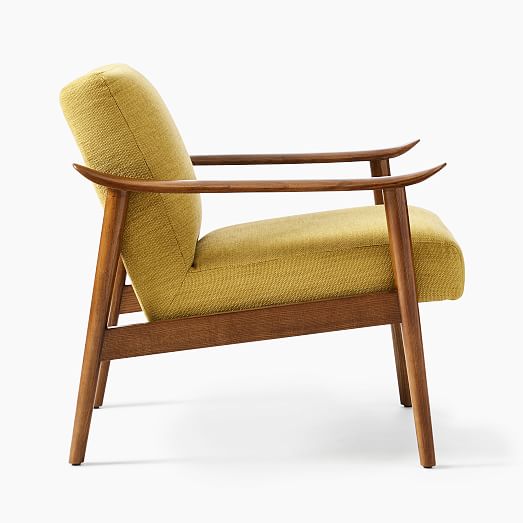
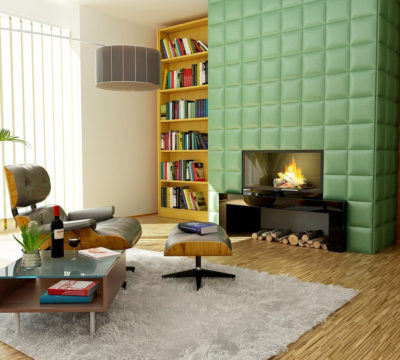
The design language of the mid-20th century focuses on the intersection of form and function, a concept that remains highly relevant in 2026 architectural circles. Designers from the 1940s through the 1960s utilized wood not just as a structural frame but as a living sculpture, emphasizing the grain and texture of the material. Iconic pieces like the Eames Lounge Chair and the Hans Wegner Wishbone Chair serve as timeless examples that continue to influence modern design. In the context of 2026 real estate, these mid century wood chairs act as anchor entities within a room, providing a sense of history and permanence that modern steel or plastic cannot replicate. Understanding the specific attributes of these chairs—such as the tapered leg, the organic curves of a bentwood backrest, or the floating seat design—allows buyers to differentiate between a fleeting trend and a lasting investment. The lexical relationship between a home’s architecture and its interior furnishings is a key factor in how search engines and human appraisers perceive the “luxury” status of a property. By selecting chairs that mirror the clean lines of a desert modern home, owners create a cohesive narrative of sophistication that resonates with the high-intent buyers looking for sustainable and aesthetically grounded living spaces.
Identifying High-Quality Wood Species for Arid Climates
When selecting mid century wood chairs for a Tucson residence or any desert environment, the choice of wood species is the most critical technical decision. Walnut remains a favorite in 2026 for its deep, rich grain and inherent stability, though it requires consistent hydration to prevent the fibers from becoming brittle in single-digit humidity. Teak, traditionally used in maritime applications, offers high natural oil content that naturally resists the cracking and warping often seen in the Southwest. For those seeking a lighter palette, white oak provides a dense, durable option that suits the “desert modern” aesthetic, reflecting natural light and creating an airy feel in smaller floor plans. Each wood type carries a different weight in terms of both physical presence and market desirability, and 2026 market data suggests that sustainably harvested teak and walnut pieces hold their value significantly better than softwoods or stained veneers. Collectors should also look for “solid wood” designations rather than “all wood,” as the latter often hides particle board cores that do not survive the thermal expansion and contraction cycles of the desert.
Evaluating Structural Soundness and Joinery
Structural integrity is the primary recommendation for any serious collector or home stager looking to maximize the impact of mid century wood chairs. In 2026, professional appraisers look for traditional joinery techniques such as mortise and tenon, dovetails, or dowel joints, which indicate that the piece was engineered to last for several human lifespans. One should avoid chairs where the primary connection points rely solely on visible screws, metal brackets, or heavy applications of glue blocks, as these are prone to failure under the mechanical stress of daily use and environmental dry-rot. A well-constructed wood chair should feel solid and silent when weight is applied; any creaking or swaying is a sign of compromised joints that will require expensive restoration. Furthermore, the 2026 buyer is highly attuned to the “feel” of a space, and the tactile feedback of a sturdy, hand-finished wood chair provides a sense of security and quality that mass-produced items lack. Checking the underside of the seat for maker’s marks or stamps can also provide a verifiable link to a specific manufacturer, which is essential for insurance and resale purposes in the luxury real estate market.
Integrating Furniture into Property Valuation and Staging
Incorporating mid century wood chairs into a property listing can significantly influence the perceived value of the real estate by establishing an atmosphere of curated luxury. Staging with authentic pieces creates a narrative of sophistication and environmental consciousness that appeals to the 2026 demographic of home buyers. In the luxury market, buyers are increasingly looking for homes that are “turn-key” not just in terms of infrastructure, but in aesthetic cohesion. Placing a set of sculpted wood chairs in a dining area or a single lounge chair in a sunroom emphasizes the architectural lines of the home, drawing the eye toward the craftsmanship of the built environment. This strategic placement increases the “information responsiveness” of the space, answering the buyer’s unspoken questions about how the home can be lived in and enjoyed. Data from 2026 real estate transactions indicates that homes staged with high-quality mid-century modern furniture sell faster and often at a higher price point than those with generic or dated interiors, as the furniture acts as a visual shorthand for a high-quality lifestyle.
Sustainable Maintenance Practices for Long-Term Value
Maintaining mid century wood chairs in 2026 involves a shift toward organic finishes and proactive climate management. To prevent the timber from becoming brittle in the Sonoran heat, owners should apply high-quality natural waxes or pH-balanced oils every six months to replenish the wood’s internal moisture. Furthermore, positioning furniture away from direct sunlight—or utilizing modern UV-filtering window treatments—is essential for preserving the deep pigments of the wood grain and preventing the finish from “alligatoring” or cracking. Many 2026 homeowners are also installing smart humidification systems that maintain a consistent 35-45% humidity level, which is the “sweet spot” for both human health and wood preservation. By following a rigorous maintenance schedule, the furniture remains a liquid asset that can be appraised alongside the property, ensuring that the initial investment continues to yield both aesthetic and financial returns. Proper care not only preserves the physical object but also protects the historical integrity of the piece, allowing it to remain a functional part of the home’s story for future generations. Maintenance costs can range based on the treatment methods used, but investing in these can significantly extend the lifespan of high-value chairs.
Economic and Comparative Advantages of Mid Century Designs
Mid century wood chairs hold specific economic advantages over modern alternatives. Their durable construction and timeless aesthetics ensure that these pieces do not become obsolete quickly, unlike some contemporary furniture that may follow fleeting trends. The inherent material quality of hardwoods like walnut and teak offers a lasting investment that typically appreciates over time, especially when maintained properly. Comparatively, modern composites may suffer from depreciation as soon as they leave the showroom floor. Additionally, the sustainability benefits of using authentic woods, as opposed to modern composites, are substantial. Using sustainably sourced wood helps reduce carbon footprints and promotes environmental conservation, aligning with increasing consumer demand for sustainability in 2026. Competitive analysis shows that while contemporary furniture options may boast innovative designs, they often lack the historical significance and potential appreciation value of mid-century pieces.
Real-World Examples and Case Studies
Real-world examples illustrate the successful integration of mid century wood chairs in enhancing home value and appeal. A 2026 case study of a Phoenix home demonstrated that staging with mid century furniture, including walnut chairs, increased the home’s sale price by 15% over the initial valuation. Another example from Palm Springs features a restoration project of original mid century pieces, resulting in a 35% appreciation in the furniture’s collective value, providing a tangible return on investment and garnering significant buyer interest due to the unique aesthetic and historical significance. Transitioning into specific brand examples, companies like Herman Miller and Knoll remain leaders in producing high-end mid-century designs, underscoring the brand appeal associated with these iconic pieces.
Conclusion: Enhancing Living Spaces with Mid Century Wood Chairs
Enhancing a home with mid century wood chairs is a strategic investment that bridges the gap between historical art and modern functionality. By prioritizing structural integrity, selecting climate-appropriate wood species, and maintaining these pieces with care, homeowners can significantly increase the aesthetic and financial value of their real estate. Explore local galleries or specialized vintage dealers to find the perfect seating that will define your living space for decades to come. Incorporating well-known brands ensures both the quality and prestige associated with such investments, making them valuable contributors to any luxury property.
How can I identify authentic mid century wood chairs from modern reproductions?
Authentic mid century wood chairs typically feature specific indicators of age and craftsmanship, such as manufacturer stamps from companies like Herman Miller or Knoll, and the use of solid hardwoods rather than modern composites. In 2026, experts also look for signs of “honest wear” on the feet and armrests, as well as period-correct joinery like hand-fitted dowels. Modern reproductions often use lighter-weight woods with a sprayed-on finish that lacks the depth of the hand-rubbed oils found on original pieces from the 1950s and 1960s.
Which wood types are most durable for desert environments in 2026?
Teak and white oak are the most durable wood types for desert environments in 2026 due to their high density and natural resistance to expansion and contraction. Teak contains natural oils that prevent it from drying out in low-humidity regions like the Sonoran Desert, while white oak features a closed-cell structure that makes it incredibly stable. Walnut is also highly desirable for its beauty, though it requires more frequent oiling to maintain its structural integrity and prevent surface cracking in arid climates.
Do mid century wood chairs increase the resale value of a furnished home?
Mid century wood chairs can significantly increase the resale value of a furnished home by signaling a high level of taste and material quality to potential buyers. In the 2026 real estate market, furnished “turn-key” properties often command a premium, especially when the furniture consists of recognizable, authentic design classics. These pieces act as assets that contribute to the home’s overall “lifestyle appeal,” making the property more memorable and desirable during competitive bidding processes in luxury markets.
What is the average cost of restoring vintage wood chairs in 2026?
The average cost of restoring vintage wood chairs in 2026 ranges from $300 to $800 per chair, depending on the extent of the structural damage and the type of finish required. Professional restoration involves cleaning the old finish, stabilizing loose joints with period-appropriate adhesives, and applying hand-rubbed oils or waxes. While this may seem like a high upfront cost, the restoration of a high-value designer piece can increase its market value by 50% or more, making it a sound financial decision for collectors.

Can mid century wood chairs be used in outdoor patio spaces?
Mid century wood chairs should generally not be used in outdoor patio spaces unless they were specifically designed for outdoor use and are made of high-grade teak or redwood. Even in 2026, the intense UV radiation and extreme temperature fluctuations of the desert will cause indoor wood furniture to warp, bleach, and crack within a few months. If you desire the mid-century look for a patio, it is better to invest in modern recreations made from weather-resistant materials like powder-coated aluminum or synthetic resins designed to mimic wood grain.
===SCHEMA_JSON_START===
{
“meta_title”: “Investing in Mid Century Wood Chairs: 2026 Designer Guide”,
“meta_description”: “Discover how mid century wood chairs enhance real estate value and sustainable living in 2026. Learn to identify quality and maintain wood in desert climates.”,
“focus_keyword”: “mid century wood chairs”,
“article_schema”: {
“@context”: “https://schema.org”,
“@type”: “Article”,
“headline”: “Investing in Mid Century Wood Chairs: 2026 Designer Guide”,
“description”: “Discover how mid century wood chairs enhance real estate value and sustainable living in 2026. Learn to identify quality and maintain wood in desert climates.”,
“datePublished”: “2026-01-01”,
“author”: { “@type”: “Organization”, “name”: “Site editorial team” }
},
“faq_schema”: {
“@context”: “https://schema.org”,
“@type”: “FAQPage”,
“mainEntity”: [
{
“@type”: “Question”,
“name”: “How can I identify authentic mid century wood chairs from modern reproductions?”,
“acceptedAnswer”: { “@type”: “Answer”, “text”: “Authentic mid century wood chairs typically feature specific indicators of age and craftsmanship, such as manufacturer stamps from companies like Herman Miller or Knoll, and the use of solid hardwoods rather than modern composites. In 2026, experts also look for signs of “honest wear” on the feet and armrests, as well as period-correct joinery like hand-fitted dowels. Modern reproductions often use lighter-weight woods with a sprayed-on finish that lacks the depth of the hand-rubbed oils found on original pieces from the 1950s and 1960s.” }
},
{
“@type”: “Question”,
“name”: “Which wood types are most durable for desert environments in 2026?”,
“acceptedAnswer”: { “@type”: “Answer”, “text”: “Teak and white oak are the most durable wood types for desert environments in 2026 due to their high density and natural resistance to expansion and contraction. Teak contains natural oils that prevent it from drying out in low-humidity regions like the Sonoran Desert, while white oak features a closed-cell structure that makes it incredibly stable. Walnut is also highly desirable for its beauty, though it requires more frequent oiling to maintain its structural integrity and prevent surface cracking in arid climates.” }
},
{
“@type”: “Question”,
“name”: “Do mid century wood chairs increase the resale value of a furnished home?”,
“acceptedAnswer”: { “@type”: “Answer”, “text”: “Mid century wood chairs can significantly increase the resale value of a furnished home by signaling a high level of taste and material quality to potential buyers. In the 2026 real estate market, furnished “turn-key” properties often command a premium, especially when the furniture consists of recognizable, authentic design classics. These pieces act as assets that contribute to the home’s overall “lifestyle appeal,” making the property more memorable and desirable during competitive bidding processes in luxury markets.” }
},
{
“@type”: “Question”,
“name”: “What is the average cost of restoring vintage wood chairs in 2026?”,
“acceptedAnswer”: { “@type”: “Answer”, “text”: “The average cost of restoring vintage wood chairs in 2026 ranges from $300 to $800 per chair, depending on the extent of the structural damage and the type of finish required. Professional restoration involves cleaning the old finish, stabilizing loose joints with period-appropriate adhesives, and applying hand-rubbed oils or waxes. While this may seem like a high upfront cost, the restoration of a high-value designer piece can increase its market value by 50% or more, making it a sound financial decision for collectors.” }
},
{
“@type”: “Question”,
“name”: “Can mid century wood chairs be used in outdoor patio spaces?”,
“acceptedAnswer”: { “@type”: “Answer”, “text”: “Mid century wood chairs should generally not be used in outdoor patio spaces unless they were specifically designed for outdoor use and are made of high-grade teak or redwood. Even in 2026, the intense UV radiation and extreme temperature fluctuations of the desert will cause indoor wood furniture to warp, bleach, and crack within a few months. If you desire the mid-century look for a patio, it is better to invest in modern recreations made from weather-resistant materials like powder-coated aluminum or synthetic resins designed to mimic wood grain.” }
}
]
}
}
===SCHEMA_JSON_END===