
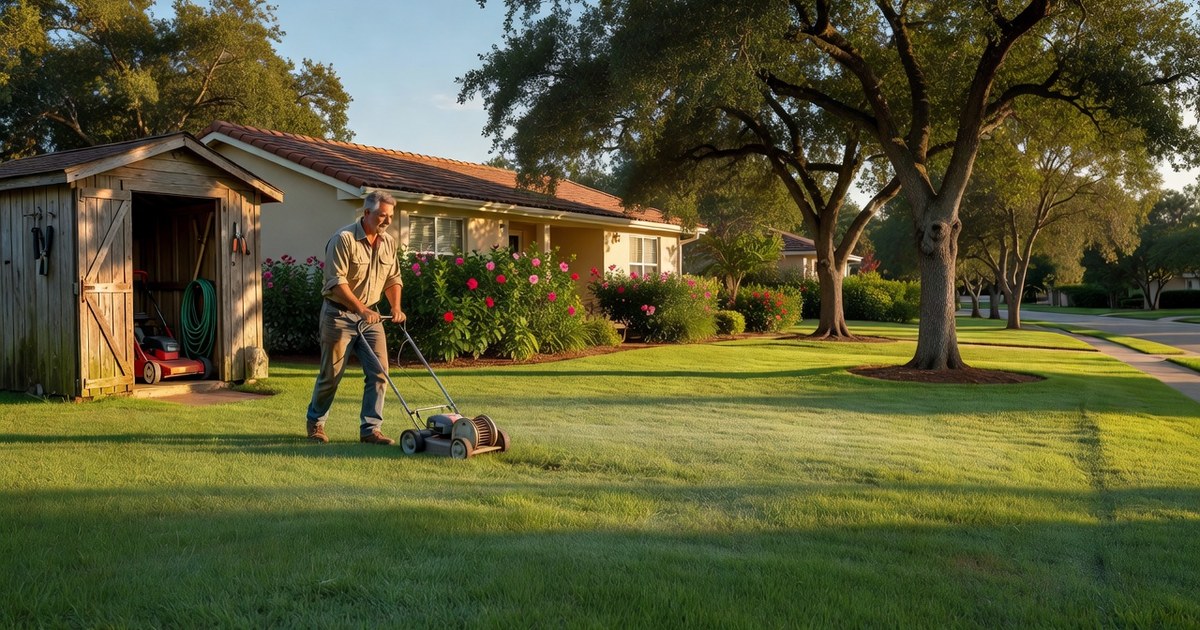
Maintaining a lush, vibrant lawn in Central Florida requires an approach tailored to the region’s unique subtropical climate, sandy soils, and distinct wet and dry seasons. From blistering summer heat and sudden torrential downpours to mild winter droughts, Florida turfgrasses face unique environmental stressors throughout the year. Homeowners who want a healthy, resilient turf must adopt systematic horticultural practices that protect grass root systems, optimize water efficiency, and manage persistent weeds and pests without damaging the surrounding environment.
Understanding your grass species is the first critical step toward an effective lawn care regimen. Most Central Florida properties utilize warm-season varieties such as St. Augustine, Zoysia, Bahia, or Bermuda grass. Each species exhibits particular growth habits, nutrient demands, and tolerance levels for shade and drought. For example, St. Augustine is renowned for its broad blades and dense coverage, but it requires regular moisture and careful monitoring for chinch bugs. Zoysia offers exceptional texture and shade tolerance but demands precise mowing heights and balanced fertilization.
Watering Wisely and Managing Irrigation
Irrigation efficiency is paramount in Florida’s climate. Overwatering is one of the most common mistakes made by residential property owners, often leading to shallow root structures, fungal infestations, and excessive nutrient runoff. During the hot summer months, rainfall is frequently abundant, reducing the need for supplemental irrigation. Automated sprinkler systems should always be equipped with a functional rain sensor or smart weather monitor to prevent unnecessary watering cycles.
When supplemental watering is necessary, applying roughly one-half to three-quarters of an inch of water per application encourages grass roots to penetrate deep into the sandy soil profile. Deep, infrequent watering cycles build turf resilience against hot spells and brief droughts far more effectively than daily shallow sprinkling. In addition, watering in the early morning hours minimizes evaporation loss and prevents prolonged leaf blade wetness that encourages leaf spot disease.
Precision Fertilization and Soil Health
Florida soils are naturally sandy and porous, meaning essential nutrients can easily leach past the root zone if applied improperly. Applying slow-release nitrogen formulations during the active growing season provides a sustained supply of nutrients without causing rapid, weak vegetative growth. Furthermore, county and municipal fertilizer blackout periods during summer rainy seasons must always be respected to safeguard local waterways and aquifers.
Investing in comprehensive soil testing every two to three years offers clear insight into soil pH and micronutrient deficiencies. Central Florida soils can range from slightly acidic to alkaline, which significantly impacts nutrient uptake. Partnering with a reliable provider of professional Lawn Care Lutz FL ensures that treatments, soil amendments, and weed management protocols are custom-tailored to the specific microclimate and soil profile of your neighborhood.
Mowing Height and Blade Maintenance
Proper mowing habits have a profound impact on turf density and weed resistance. Setting mower decks to the proper height for your specific turf species protects the growing crown from scalping. For standard St. Augustine varieties, maintaining a mowing height of 3.5 to 4 inches allows the grass blades to shade the underlying soil, conserving ground moisture and naturally shading out emerging weed seeds.
Equally critical is keeping mower blades sharp. Dull blades tear rather than cleanly slice the grass blades, creating jagged wounds that increase plant stress, water loss, and vulnerability to fungal pathogens. Adhering to the classic "one-third rule"—never cutting more than one-third of the total grass blade length in a single mowing session—prevents shock and sustains vigorous root activity throughout the primary growing period.
Proactive Pest and Weed Management
Central Florida’s warm climate creates a year-round habitat for invasive weeds like crabgrass, dollarweed, and spurge, as well as destructive insects such as chinch bugs, sod webworms, and armyworms. Proactive scouting and targeted spot treatments prevent localized issues from escalating into widespread turf devastation. Integrated pest management techniques combine biological controls, proper cultural maintenance, and responsible product applications to preserve turf vitality and maintain long-term outdoor beauty.